
Is your smile hidden because of the loss of one of your teeth? Well, you are not alone. There are millions of people who struggle with this in India each day.
And the best part is – there is a permanent solution to this in modern-day dentistry. Dental implants are revolutionizing lives all over India. They look like your natural teeth, feel like your natural teeth, and function exactly like your natural teeth. Let us take you on an exhaustive journey about all that you need to know about dental implants in India through this blog. Let’s get started.
What Are Custom Dental Implants?
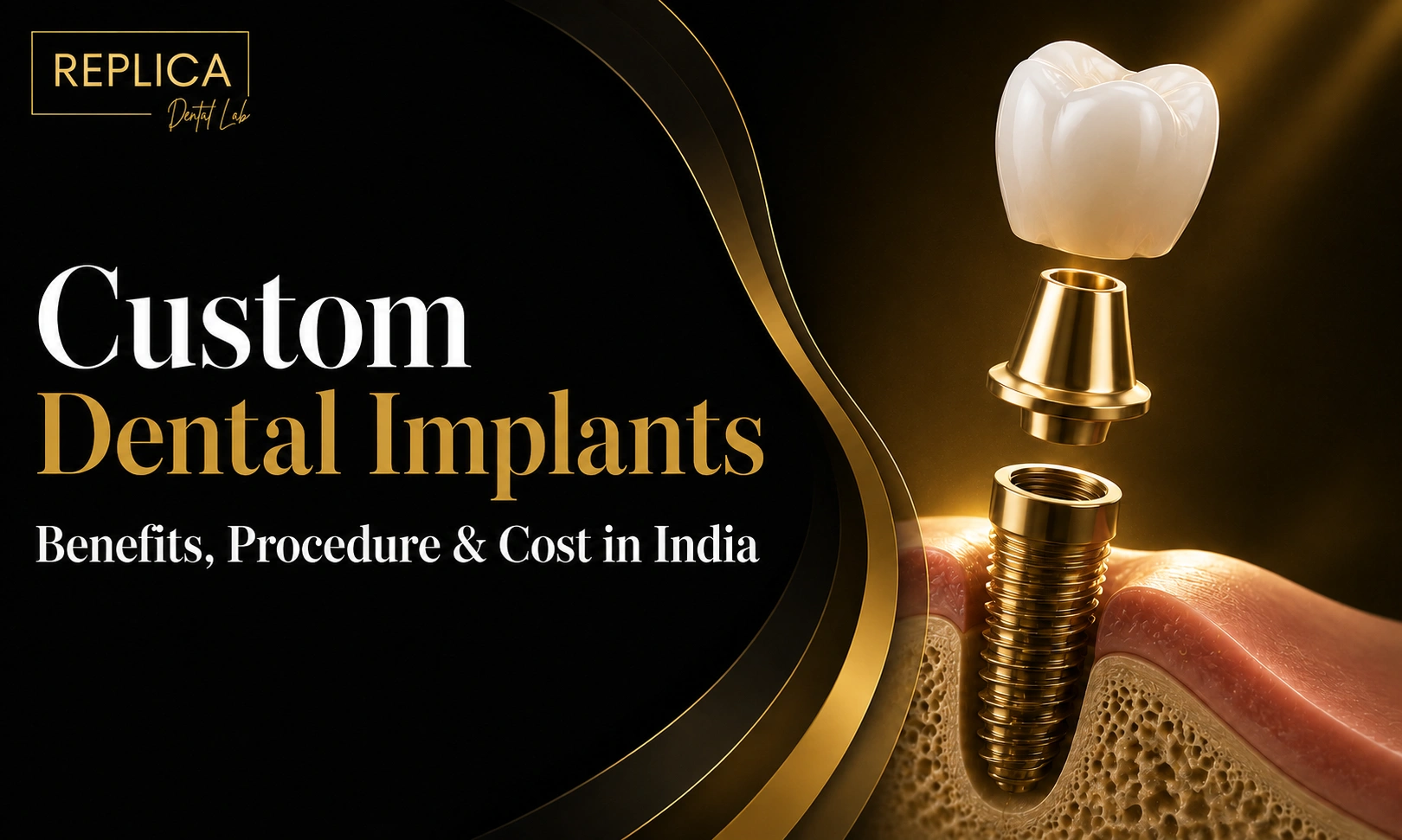
Custom dental implants are a tooth replacement therapy that helps to achieve the aesthetics, functionality, and strength of a lost tooth. Unlike the other treatment options such as dental bridges and dentures, a custom-made dental implant offers a more durable treatment option for replacing the whole missing tooth.
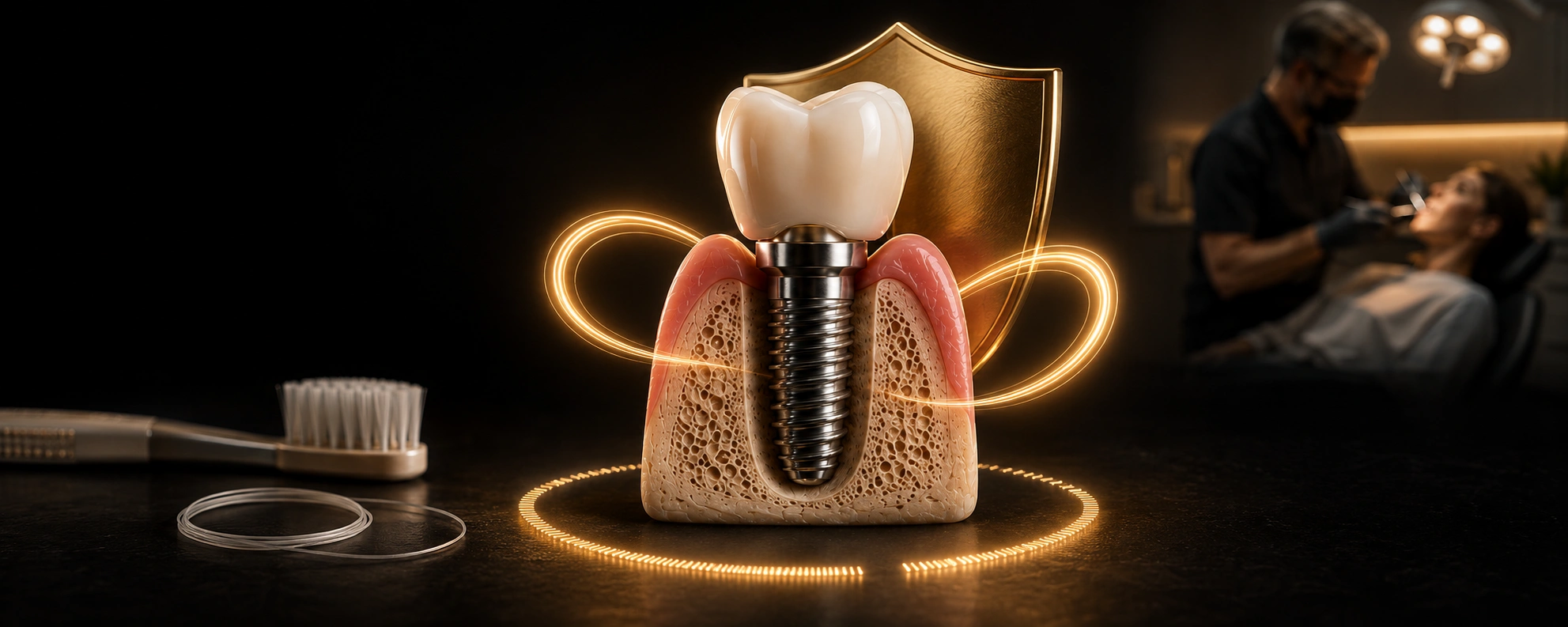
A complete dental implant restoration consists of three main components:
- Implant Fixture: A miniature titanium post which is inserted into the jawbone to serve as a substitute for the tooth root. Gradually, the implant integrates itself with the bone structure through a natural biological process known as osseointegration.
- Abutment: Customized connector fixed to the implant and used as a base for the final dental structure.
- Dental Crown: Custom-designed dental crown that perfectly matches your natural teeth in terms of color, shape, and size.
The main reason for custom dental implants is replacing missing teeth without damaging the health of jawbone, correcting bite functionality, enhancing speech, and giving a natural smile.
Benefits of Custom Dental Implants
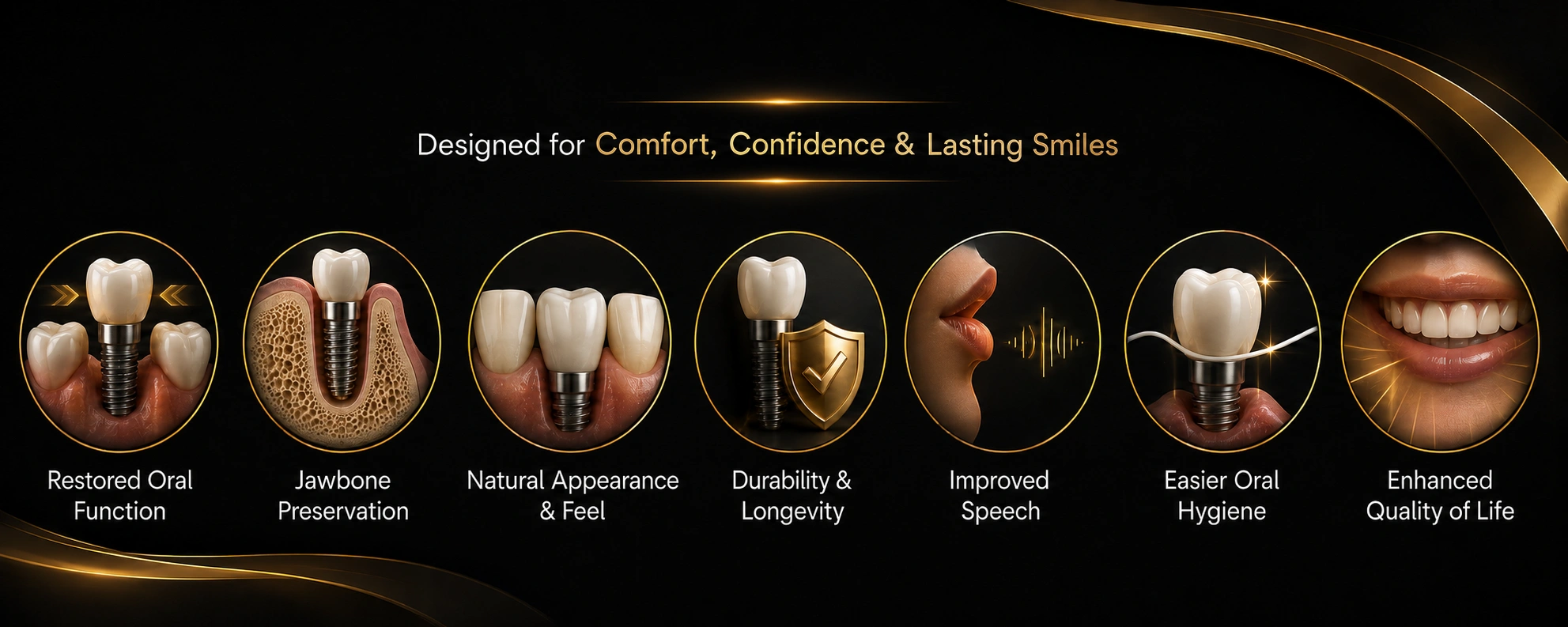
Custom dental implants do much more than just fill a gap in your smile. They enhance your oral health, boost your confidence, and improve your overall quality of life. Here are 7 real benefits you should know about.
1. Restored Oral Function
Missing teeth make it hard to chew your favourite foods properly. Dental implants restore your full biting strength — just like natural teeth. You can eat anything you want — from apples to rotis — without any pain or discomfort.
2. Jawbone Preservation
After tooth loss, the jawbone naturally begins to lose volume and density. Dental implants are the only tooth replacement option that actually stimulates the jawbone and prevents this bone loss. They keep your jaw healthy and strong for years to come.
3. Natural Appearance and Feel
The custom dental crown is designed to match the colour, shape, and size of your natural teeth, creating a seamless and natural-looking smile. Once the implant has healed, most patients find it feels just like a natural tooth.
4. Durability and Longevity
Dental implants are built to last. With proper care and regular dental checkups, implants can easily last 20 to 25 years — and in many cases, a lifetime. This makes them far more cost-effective than dentures or bridges in the long run.
5. Improved Speech
Loose dentures can cause slipping and affect the way you speak. Dental implants are designed to stay securely in place. They do not move at all. This means you can speak clearly and confidently without worrying about your teeth shifting while talking.
6. Easier Oral Hygiene
You don’t need to remove dental implants for cleaning—just brush and floss as you normally would. Simply brush twice a day, floss regularly, and visit your dentist. No extra effort or special cleaning products required at all.
7. Enhanced Quality of Life
When you can eat freely, smile confidently, and speak clearly — your overall quality of life improves massively. Dental implants help you regain the freedom of a natural smile. Patients who get implants often say it is one of the best decisions they ever made for themselves.
Step-by-Step Procedure of Custom Dental Implants
Getting a dental implant is not done in one single visit. It is a step-by-step process that takes place over a few months. Each step is important and carefully planned to make sure your implant fits perfectly and lasts long.
Step 1: Initial Consultation and Assessment
Your dentist will examine your teeth, gums, and jawbone. X-rays and 3D scans are taken to check bone density and plan the implant placement. This step helps the dentist create a personalised treatment plan made specifically for your mouth.
Step 2: Bone Grafting (If Required)
If your jawbone is too thin or weak to support an implant, bone grafting is done first. A small amount of bone is added to strengthen the jaw. This step is not needed for everyone — only for patients with low bone density in their jaw.
Step 3: Implant Placement
Under local anaesthesia, your dentist makes a small cut in the gum and places the titanium dental implant fixture into the jawbone. The gum is then stitched back. Patients generally experience little pain during this procedure. This process is much less painful than what people think.
Step 4: Osseointegration
This is the healing phase. Over the next 3 to 6 months, your jawbone slowly grows around the titanium dental implant fixture and fuses with it completely. This creates a strong and stable foundation for your new tooth. Patience during this phase is very important.
Step 5: Abutment Placement
Once the implant is fully fused with the bone, a small connector piece called an abutment is attached to the top of the dental implant fixture. Your gums are given about two weeks to heal around this abutment before the final crown is placed on top.
Step 6: Crown Placement
This is the final and most exciting step. Your custom-made crown — designed to perfectly match your natural teeth in colour, shape, and size — is fixed onto the abutment. Your dentist checks your bite and makes final adjustments. Your new tooth is now ready.
Who Is a Candidate for Dental Implants?
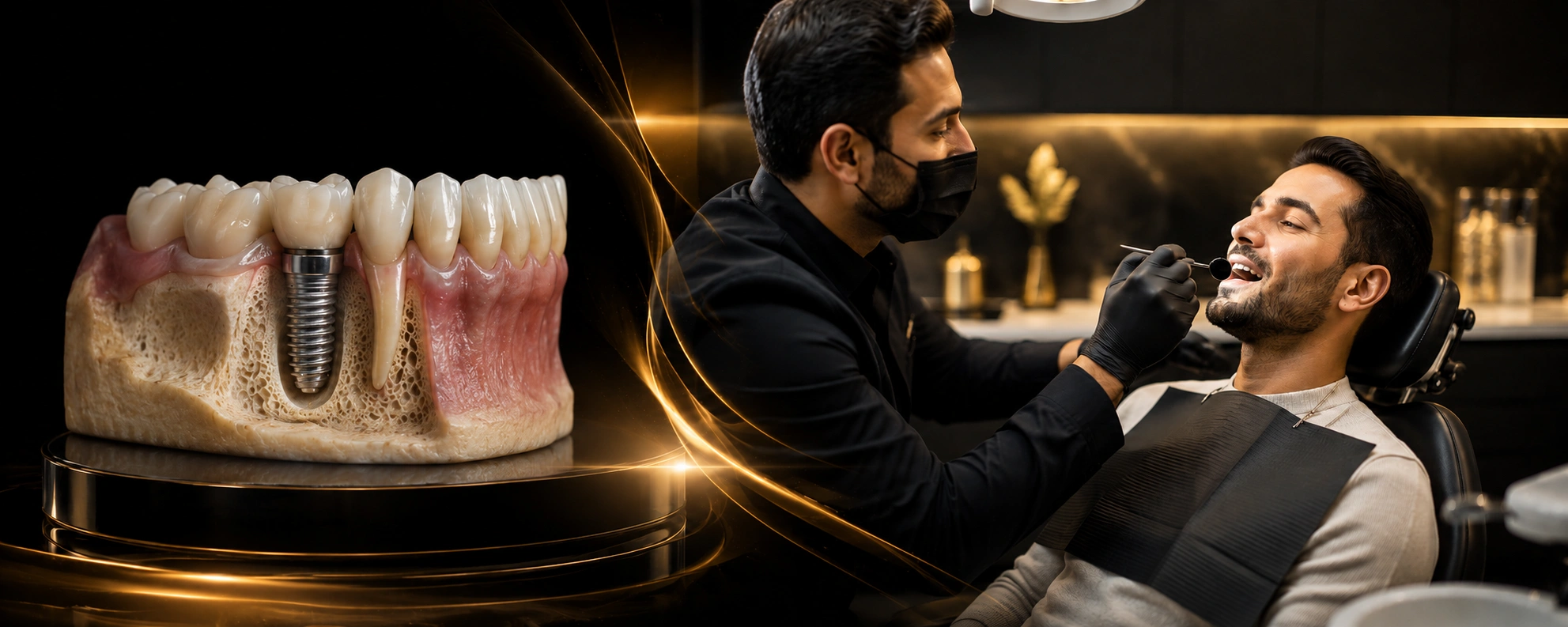
Dental implants are an appropriate option for most healthy adults who have lost one or more teeth. You should have healthy gums, sufficient jawbone density, and no uncontrolled medical conditions like diabetes. Non-smokers generally experience higher dental implant success rates. Your dentist will assess your oral health to determine if dental implants are the right option for you.
How Much Do Custom Dental Implants Cost?
The cost of dental implants in India depends on several factors — but compared to Western countries, India offers world-class quality at a fraction of the price. Here is a simple cost breakdown to help you plan:
In comparison, a single implant in the USA or UK can cost ₹2,50,000 to ₹4,00,000 — making India up to 70% more affordable without any compromise on quality.
Factors Affecting Cost of Custom Dental Implants
Several things can affect the final cost of your dental implant treatment:
- Implant Brand — Premium international brands like Straumann and Nobel Biocare cost more but offer higher success rates and longer durability.
- Crown Material — Zirconia crowns are more expensive but look more natural. Metal ceramic crowns are a more budget-friendly option for patients.
- Number of Implants — Single tooth implants cost less. Multiple implants or full mouth restorations will naturally increase the overall treatment cost.
- Additional Procedures — Bone grafting or sinus lift procedures, if needed, can add ₹15,000 to ₹50,000 extra to your total treatment bill.
- Clinic Location and Expertise — Clinics in metro cities like Mumbai and Delhi charge more due to higher overhead costs compared to smaller cities across India.
How Long Do Custom Dental Implants Last?
Under normal conditions, dental implants may serve you from 20 to 25 years or even for the rest of your life. Research proves that the success rate of dental implantations is 95% to 98% within 10 to 15 years. All you have to do is brush your teeth, floss them and visit your dentist twice a year.